

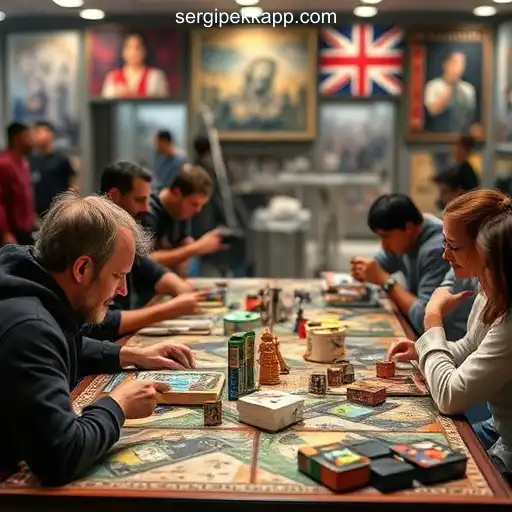
Exploring the Fascinating World of Tabletop Games
Tabletop games have experienced a resurgence in popularity over the past few decades, engaging players worldwide in a variety of creative and competitive activities. From strategic board games to immersive role-playing adventures, tabletop games offer a unique experience that challenges the mind and fosters social interaction. One of the intriguing aspects of tabletop gaming is its ability to bring people together, regardless of age, background, or gaming proficiency. In this article, we will delve into the diverse world of tabletop games and uncover why they continue to captivate audiences globally.
The Evolution of Tabletop Games
Tabletop games have a rich history dating back thousands of years. Ancient civilizations, such as the Egyptians and the Chinese, were known to engage in early forms of board games to pass the time and entertain themselves. These early games laid the foundation for the diverse array of tabletop games enjoyed today. With the advent of the digital age, some may have predicted a decline in tabletop gaming. However, the opposite has proven true, with many enthusiasts embracing the tactile and face-to-face interaction that digital games often lack.
One key factor in the modern revival of tabletop games is the rise of gaming conventions, where enthusiasts gather to share their passion. These events have fostered a sense of community among players and have been instrumental in introducing tabletop games to a broader audience. Furthermore, crowdfunding platforms have enabled independent creators to bring innovative game concepts to life, adding to the ever-growing repertoire of games available to players.
Types of Tabletop Games
Tabletop games encompass a diverse range of formats and genres. This variety ensures that there is something for everyone, regardless of their gaming preferences. Here are some of the most popular types of tabletop games:
- Board Games: Often featuring a game board and a set of pieces or cards, board games are one of the most traditional forms of tabletop gaming. They can range from simple, family-friendly games like Monopoly to complex strategy games like Settlers of Catan or Scythe.
- Card Games: Utilizing a deck of cards as the primary game component, card games are highly adaptable and can be played in various formats. Examples include collectible card games like Magic: The Gathering and deck-building games such as Dominion.
- Role-Playing Games (RPGs): These narrative-driven games allow players to assume the roles of characters in a fictional setting, making decisions that affect the game's storyline. Classic RPGs like Dungeons & Dragons have gained a cult following over the years.
- Miniature Wargames: Combining elements of strategy and tactics, miniature wargames involve the use of miniatures to represent units on a battlefield. Notable examples include Warhammer and Warmachine.
The Appeal of Tabletop Games
So why do tabletop games continue to attract players in an increasingly digital world? The appeal lies in the unique experience they offer, which combines strategic thinking, creativity, and social interaction.
Firstly, tabletop games challenge players to think critically and develop strategies to outpace their opponents. This mental engagement is highly rewarding, as players must anticipate their opponents' moves while crafting their paths to victory. Whether planning an epic conquest in a strategy game or devising tactics to overcome challenges in a role-playing game, players are continually honing their strategic minds.
Secondly, the tangible nature of tabletop games offers a sensory experience that video games often lack. The feel of a card in hand or the sound of rolling dice adds an extra layer of immersion that deepens the engagement. This tactile element is a significant reason why many players prefer the physicality of tabletop games over their digital counterparts.
Lastly, the social aspect of tabletop games is unparalleled. Unlike video games, which can often be solitary experiences, tabletop games encourage communication, collaboration, and camaraderie among players. These interactions can lead to lasting friendships and shared memories, fostering a sense of community among fans.
The Impact of Online Gaming Hubs
While traditional tabletop games focus on face-to-face interaction, online gaming platforms have started to integrate elements of these games, attracting new players and offering more convenient ways for enthusiasts to enjoy their favorite pastimes. One such platform is SergipeKK O cassino online favorito dos brasileiros🔥, a favorite among Brazilian players, providing an exciting and accessible online gaming experience.
Platforms like SergipeKK have introduced digital versions of popular tabletop games, allowing players to enjoy their favorite games without the constraints of physical proximity. This digital transformation has enabled players around the world to connect and compete in their favorite tabletop games, creating a global community of gamers.
The Future of Tabletop Games
As technology continues to evolve, the future of tabletop games is bright. The continued development of augmented reality (AR) and virtual reality (VR) technology has the potential to enhance the tabletop gaming experience even further, blending physical and digital elements to create immersive environments for players.
In conclusion, tabletop games offer a rich and diverse landscape for gamers of all kinds. Their unique combination of strategic depth, tangible interaction, and social camaraderie ensures they remain a beloved pastime worldwide. Whether experienced through traditional play or digital platforms, the allure of tabletop games shows no signs of waning.